

Project Overview
The City of Yellowknife is moving ahead with the Raw Water Supply Upgrade Project to ensure safe, reliable drinking water for decades to come. The project will modernize and expand the City’s raw water system and support a safe, reliable, and resilient drinking water supply.
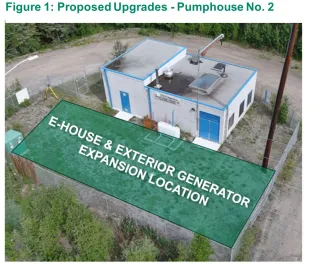
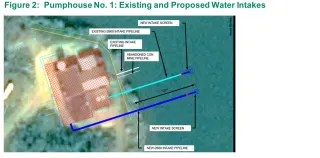
Since 1968, the City of Yellowknife has been using the Yellowknife River as its primary drinking water source. An intake in the Yellowknife River supplies water to Pumphouse 2, which then pumps it through an eight-kilometre submarine pipeline to Pumphouse 1, which acts as an in-line booster to supply the Water Treatment Plant (WTP).
Due to the age of the infrastructure, there are concerns regarding the integrity of the submarine pipeline and the two pumphouses, and shortfalls in the capacity of the pipeline and pumphouse equipment relative to the forecasted water demands for which the WTP was designed. These concerns have led the City to evaluate and re-evaluate the costs and the risks of continuing to source water from the Yellowknife River or relocating its water source to Yellowknife Bay.
In March 2025, an update on the water source selection study was provided to Council, which laid out four options for consideration for moving forward with upgrades to the City's raw water supply infrastructure. In June 2025, Council heard a presentation from Giant Mine on the risks of the Giant Mine Project on Great Slave Lake.
About the Raw Water Supply Upgrade Project
The City is growing, and so are its water demands.
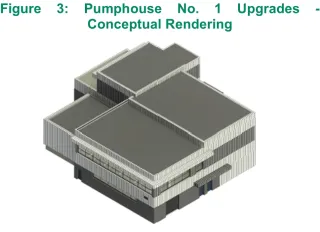
The Project includes improvements to the City’s existing pumphouses, new water intake pipes at Pumphouse No. 1, and updates to key components of the City’s water system. After reviewing water use and our municipal growth, we also established that more water is needed each year; to meet this need, the City is also requesting to increase the annual allocation of water from 4,000,000 cubic metres to 8,000,000 cubic metres of raw water. This helps to ensure the City can meet current demand while planning for future growth.
To complete the project, the City must submit regulatory permits, including a Type A Water Licence Amendment and a Type A Land Use Permit to the Mackenzie Land and Water Board (MVLWB).
How We Are Engaging You
This engagement aligns with the IAP2 “Consult” level:
- We’re asking for your input on concerns and to hear your questions
- Your feedback will help inform project considerations, such as safety and community concerns
- Final designs will also consider accessibility, budget, and site limitations
Engagement findings will be reflected in a “What We Heard” report, which City staff will consider as project design progresses.
You may email @email for comments, questions and concerns at any time during the project.
FAQ
Since 1969, the City’s primary water source is the Yellowknife River. The City draws its municipal drinking water from the Yellowknife River. Water is transported by an underwater line to the City’s Water Treatment Plant (WTP) on the shore of Yellowknife Bay. Water is treated and tested before making its way to residents of Yellowknife, Ndilo and Dettah via underground water mains, water trucks, or summer aboveground water lines.
The water treatment process uses a series of membranes that trap particles and contaminants as the water moves through them. After this filtration, the water is chlorinated to neutralize remaining impurities, and fluoride is added.
The City’s current municipal water licence allows for use of up to 4,000,000 cubic metres of raw water annually, equivalent to an average raw water use of 10.96 ML/day (127 L/s; 1 ML = 1,000,000 L).