

Fast‑forward to the future, how should City facilities support the way you live, work, and connect in Yellowknife?
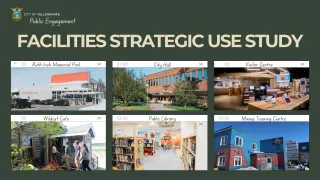
The City of Yellowknife is undertaking the City Facilities Strategic Use Study, a review of how six key municipal facilities (City Hall, Visitor Centre, Public Library, Mining Training Centre, The Wildcat Café and the former Ruth Inch Memorial pool) are used and how they can better serve the community moving forward. This study will help guide future decisions about how City spaces support programs, services, and community needs.
Through Engagement Round 1, we’re asking City Staff, residents, and facility user groups to share their experiences and ideas. What’s working well? What challenges exist? What opportunities should be explored to improve how facilities are used now and into the future?
Your input will help shape future facility‑use scenarios and recommendations that reflect community needs, values, and priorities.
This is your City. Let’s shape the future of our facilities—together.
What is the City Facilities Strategic Use Study?
Think of the City Facilities Strategic Use Study as a shared conversation and a practical roadmap for how City‑owned facilities can better support community life, now and in the future. It helps us explore important questions like:
- How are City facilities being used today?
- Where are there challenges or barriers for users and programs?
- Which services could work better together or be co‑located?
- How can facilities be more accessible, efficient, and sustainable?
- How can City spaces better reflect community needs and priorities?
A strong facilities strategy means planning ahead, not just reacting as buildings age or needs change. In Yellowknife, this study will help guide future decisions about:
-
Service Delivery
Ensuring programs and services are supported by the right spaces.
-
Efficiency
Making smarter use of existing facilities and resources.
-
Accessibility
Improving how residents experience and access City facilities.
-
Sustainability
Supporting long‑term, cost‑effective, and adaptable facility use.
-
Community Well‑Being
Creating spaces that support connection, activity, and everyday needs.
What have we done so far?
Engagement Round 1 of the Facilities Strategic Use Study is now complete.
During this stage, the City gathered input from residents, community organizations, facility users, interested and impacted parties, and City staff through a public survey, open house, tradeshow engagement, and stakeholder meetings. The City also completed building condition assessments and site visits for the six municipal facilities.
The full Engagement Round 1 What We Heard Report is now available, along with a shorter summary version for readers who would like a quick overview of the key findings.
Key themes from Engagement Round 1 included:
• safety, comfort, parking, and accessibility as important factors in how people use City facilities;
• interest in considering relocation of the Public Library;
• opportunities to reuse existing City facilities, including the former Ruth Inch Memorial Pool; and
• support for flexible, multi-use spaces that are affordable, accessible, and able to serve a range of community needs.
Both documents summarize the feedback received and will help inform future analysis, concept development, and decision-making as the study progresses.
What's next?
Feedback from City staff, interested and impacted parties, and community members, along with operational and technical considerations, will inform the development of draft concepts.
A second round of engagement is anticipated for fall 2026 to gather public feedback on the draft concepts before recommendations are finalized. The format and intent of Engagement Round 2 are currently being developed and will be refined and shared as the project progresses.
Project Timeline
Phase 1: Getting Started | February - March 2026
Phase 2: Community & Staff Engagement Round #1 | April 2026
Phase 3: Draft Scenario Development | May - July 2026
Phase 4: Exploring Options | June - August 2026
Phase 5: Community & Staff Engagement Round #2 | Fall, 2026
Phase 6: Recommendations & Reporting | September – October 2026